
Extraction and Elucidation of Antibiotics from the Mycelia of Aspergillus niger Isolated from Poultry Farm against Enteric Bacterial Pathogens
DOI:
10.54117/ijaab.v1i1.58Published:
2025-05-31Issue:
Vol. 1 No. 1 (2025): VolumeKeywords:
Antibiotic resistance, Aspergillus niger, enteric pathogens, GC-MS analysis, poultry farm soilArticles
Downloads
How to Cite
Abstract
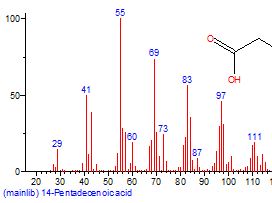
The World Health Organization (WHO) has now issued a warning that the world is “running out of antibiotics”, escalating fears about global antibiotic resistance reaching new heights. Lately, the emergence of drug-resistant bacteria has posed a critical challenge for the treatment of diseases and a gradual increase in the frequency of nosocomial infections. Hence, the battle for newer antibiotics for bacterial infections became necessary and a major research interest. This study focused on the extraction and elucidation of antibiotics from the mycelia of Aspergillus niger isolated from poultry farm soil samples from local poultry farms were randomly collected and screened for the presence of Aspergillus niger using standard, microbiological techniques. The isolates were grown in a submerged culture and screened for antibiotics. The inhibitory fractions were precipitated, eluted and purified and elucidated using solvent extraction, Column, thin layer and gas chromatographic techniques, coupled with mass spectrophotometric (GC-MS). The study revealed the presence of Aspergillus niger strain CBS513.88 (ANC5), Aspergillus niger strain HGH48 (ANH48) and Aspergillus niger strain HUS1 (ANH1). The isolates exhibited significant (P<0.05) production of potent antibiotics when the pH, temperature, carbon and nitrogen sources were 7.0, 25, extracted sugar from Phoenix dactylifera (date) fruits and NODZ (prepared from a mixture of Rhizobium Leguminosarum, soybean meal and Arachis hypogoea nodule meal) respectively. The fractions; E-15-heptadecenal (C1) > 14-pentadecenoic acid (C2) eluted from ANC5 showed significant (P<0.05) inhibitory activities against enteric bacterial pathogens; Escherichia coli strain HH35 (ECH3), Salmonella enterica serovar Typhi strain R27 (SETR7) and Shigella dysenteriae strain NCTC9718 (SDN9). Similarly, the fractions; oleic acid (H1) > 1-docosene (H2) > 9-octadecenoic acid (Z), methyl ester (H5) > 1-octadecene (H3) from ANH48 and oleic acid (N1) > 1-docosene (N2) > 1-octadecane (N3) and 2(3H)-furanone dihydro-4-hydroxy (N4) from ANH1, showed significant (P>0.05) inhibitory activities against the enteric bacterial pathogens. From the study, ANC5, ANH48 and ANH1 isolated from poultry farms produced significant antibiotics against enteric bacterial pathogens and could be used as alternative antibiotics for nosocomial infections.