
Computational Screening of High-Affinity Natural Product-Derived Inhibitors Targeting NF-κB Protein: A Molecular Docking Approach toward Anti-Inflammatory and Anticancer Therapeutics
DOI:
10.54117/ijaab.v1i2.67Published:
2025-01-27Issue:
Vol. 1 No. 2 (2025): VolumeKeywords:
NF-κB inhibition, Phytochemicals, Molecular docking, Inflammation, Natural product drug discoveryArticles
Downloads
How to Cite
Abstract
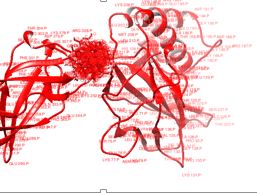
Nuclear factor kappa B (NF-κB) is a pivotal transcription factor involved in inflammation, immune responses, and cancer progression. In the quest for safer and more effective therapeutic agents, this study employed molecular docking to screen 313 bioactive phytochemicals against NF-κB, aiming to identify potential natural inhibitors. Ligands were curated from literature and public databases and prepared using ChemDraw, VConf, and Open Babel, while the NF-κB protein (PDB ID: 1SVC) was retrieved from the RCSB Protein Data Bank and refined using BIOVIA Discovery Studio. Binding site prediction was achieved via PrankWeb and literature data. Docking was conducted with PyRx 0.8 using AutoDock Vina, and binding interactions were analyzed in Discovery Studio. Results revealed that hypericin and withanolide exhibited the strongest binding affinities (-8.4 kcal/mol), surpassing standard NF-κB inhibitors such as olmesartan (-6.3 kcal/mol) and disulfiram (-3.5 kcal/mol). Other top-performing compounds included diosmin (-8.3 kcal/mol), tomatidine, tubeimoside-I, and solanine (all -8.0 kcal/mol), each interacting with key NF-κB residues through hydrogen bonding and hydrophobic interactions. These phytochemicals, available from diverse medicinal plants, showed superior binding profiles, highlighting their therapeutic potential. Overall, the study underscores the promise of natural compounds in modulating NF-κB activity and supports their further investigation through molecular dynamics simulations and experimental validation. These findings provide a foundation for the development of phytochemical-based NF-κB inhibitors with potential applications in inflammation and cancer therapy.