
Corollary of Lactobacillus Fermented Chicken Feather on Growth Performance of Rats
DOI:
10.54117/ijbab.v1i2.85Published:
2025-09-21Issue:
Vol. 1 No. 2 (2025): VolumeKeywords:
Feed, Lactobacillus, Creatine, UreaArticles
Downloads
How to Cite
Abstract
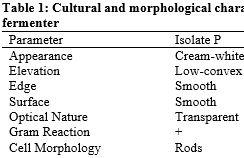
Globally, millions of tons of chicken feathers are produced annually, representing a significant waste management challenge due to their poor biodegradability and low economic utilization. This study was undertaken to evaluate the corollary of Lactobacillus fermented chicken feather as a chicken feed additive on the growth performance of albino Wistar rats. The corollary of lactobacillus fermented feeds on the rats was determined using in vivo techniques. The fermenter used in the study was identified to be Lactobacillus acidophilus strain DSN20079 (LADSM). The study revealed that there was a significant (P<0.05) increase in the body weight of the test chicks fed with the mixed fermented feed starting from week 1 (136.70 g) down to week 6 (314.60 g). There was also a significant increase in the organ weight of the rats i.e liver (6.32 g), kidney (0.47g), lungs (1.02 g), and heart (0.43g) compared to the control group. The BMI of the rats was 0.64 g/cm2, which was not greater than 0.68 g/cm2, indicating good growth and not obese. Also, the organ functions of the rats revealed that there was an increase in ALT (17.180 U/L) compared to the control group (17.100 U/L), and a decrease in AST (25.180 U/L) compared to the control group (25.180 U/L). It also showed an increase in creatine, urea and LDH compared to the control group. There was also an increase in the MDA level of the rats starting from week 1 (0.024g) down to week 6 (0.045g) compared to the control group. Therefore, the study concluded that the Lactobacillus fermented chicken feather meal showed pronounced activity in the rats and could be used as an additive for the growth performance of the rats.