
Impact of Lactobacillus-Fermented Chicken Feather on Organ Development and Blood Parameters
DOI:
10.54117/ijbab.v1i2.86Published:
2025-09-21Issue:
Vol. 1 No. 2 (2025): VolumeKeywords:
Lactobacillus, Feeds, Blood, OrgansArticles
Downloads
How to Cite
Abstract
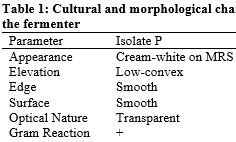
This study evaluated the impact of Lactobacillus fermented chicken feather on organ weight and hematological indices in broiler chicks. Using in vivo techniques, researchers assessed the effects of fermented feeds on broiler chicks, utilizing Lactobacillus acidophilus strain DSN20079 (LADSM) as the fermenter. Results showed a significant increase (P<0.05) in organ weights, including: Liver: 7.42g; Kidney: 0.54g; Lungs: 1.34g; Heart: 0.69g. Blood indices analysis revealed increased counts of WBC, RBC, PLT, monocyte, basophil, and lymphocyte and reduced counts of neutrophil and eosinophil. The study concluded that Lactobacillus fermented chicken feather exhibited pronounced activity on organ weight and blood indices, suggesting its potential as a valuable feed additive for promoting healthy growth and immune function in broiler chicks. The findings highlight the benefits of using fermented chicken feather meal as a sustainable and effective feed supplement in poultry production.