Arenaviruses and Hemorrhagic Fevers: Virology, Pathogenesis, Ecology, and Global Control Strategies
DOI:
https://doi.org/10.54117/hsri.v1i1.28Keywords:
Arenavirus, Viral Hemorrhagic Fever, Lassa Fever, Zoonosis, Ambisense RNA, Rodent Reservoir, Ribavirin, Biosafety Level 4, One Health, Emerging Infectious DiseaseAbstract
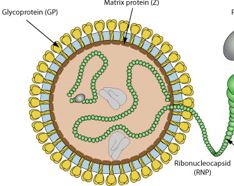
Arenaviruses are a genus of enveloped, negative-sense or ambisense RNA viruses within the family Arenaviridae, known as significant zoonotic pathogens causing severe hemorrhagic fevers in humans. The virions are spherical and pleomorphic, ranging from 60–300 nm in diameter, and contain host-derived ribosomes, giving them a sandy (“arena”) appearance. Their genome has two single-stranded RNA segments—the small (S) and large (L) segments—using an ambisense coding strategy to encode four main proteins: nucleoprotein (NP), glycoprotein precursor (GPC), RNA-dependent RNA polymerase (L), and matrix protein (Z). Arenaviruses persist in specific rodent reservoirs, forming two major complexes: the Old World (e.g., Lassa, Lujo viruses) and the New World (e.g., Junin, Machupo, Guanarito viruses). Human infection occurs mainly through inhalation of aerosols or contact with fomites contaminated with rodent excreta. Clinical manifestations range from mild febrile illness to severe viral hemorrhagic fever (VHF) with high fever, coagulopathy, vascular leakage, and multi-organ failure. Diagnosis requires biosafety level 4 (BSL-4) containment and relies on serology (ELISA, IFA), reverse transcription-polymerase chain reaction (RT-PCR), or virus isolation. Treatment is supportive, though ribavirin shows limited efficacy for Lassa and Junin viruses when given early. Prevention focuses on rodent control, public health education, and infection control in healthcare settings. Despite promising vaccine candidates, none are commercially available, underscoring arenaviruses as persistent and emerging global health threats.