Phytochemical Analysis and Hematological Effects of Aqueous Stem Extract of Telfairia occidentalis in Phenylhydrazine-Induced Anemic Wistar Rats
DOI:
https://doi.org/10.54117/hsri.v1i1.30Keywords:
Anemia, phenylhydrazine, Telfairia occidentalis, phytochemicals, hematological parametersAbstract
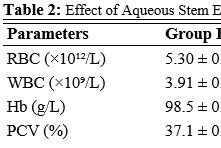
Anaemia is a medical condition characterized by a decrease in the number of red blood cells and the amount of haemoglobin in the blood leading to inadequate oxygen delivery to tissues and organs. Telfairia occidentalis is a dietary leafy vegetable with phytochemicals that are beneficial to human health. This study investigated the phytochemical constituents and hematological effects of the aqueous stem extract of T. occidentalis in a phenylhydrazine (PHZ)-induced hemolytic anemia model in rats. Sixteen male adults Wistar rats were divided into four groups: Normal control group, Negative Control group (PHZ-induced anemic), and two treatment groups receiving PHZ + stem extract at (100 and 200 mg/kg) respectively. Anemia was induced via intraperitoneal injection of PHZ (40 mg/kg) for two days and subsequently the treatment groups administered the aqueous stem extract orally for 14 days. Phytochemical screening was conducted using standard qualitative methods. At the expiration of the study, blood samples were taken from the animals for evaluation of hematological parameters (RBC, WBC, Hb, PCV, MCH, MCHC) and body weight were assessed. Phytochemical analysis revealed the presence of alkaloids, terpenoids, flavonoids, steroids, glycosides, and saponins. Anthraquinones were absent. The anemic control group showed a significant reduction (p < 0.05) in RBC, Hb, and PCV. Treatment with the stem extract, particularly at 200 mg/kg, caused a highly significant (p < 0.001), dose-dependent amelioration of these parameters, elevating them above normal control levels. A significant increase in WBC count and body weight was also observed in the treatment groups. The aqueous stem extract of Telfairia Occidentalis may possesses significant hematopoietic and growth-promoting properties in PHZ-induced anemic rats, attributed to its rich array of bioactive compounds. This could validate its ethnomedicinal use and suggests its potential as a natural, cost-effective intervention for anemia management.