Antibiotic Resistance Profiles of Bacterial Isolates from Students' Hands: Implications for Public Health
DOI:
https://doi.org/10.54117/hsri.v3i2.91Keywords:
Bacterial, antibiotic resistance, hand hygiene, multidrug resistanceAbstract
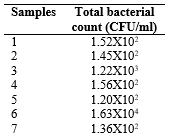
This study investigated the prevalence of bacterial contamination and patterns of antibiotic resistance on the hands of twenty randomly selected students at Sa’adu Zungur University, Bauchi. Samples were collected aseptically using sterile saline-moistened swabs, targeting both palmar and dorsal surfaces, and were processed within 2 hours of collection. Bacterial enumeration was performed using serial dilution and pour plate techniques, while identification involved standard cultural, morphological, and biochemical methods. The results revealed that all samples (100%) showed bacterial growth, with aerobic mesophilic bacterial counts ranging from 1.52 × 10² to 1.63 × 10⁴ CFU/ml. The mean bacterial load was higher in male students (3.43 × 10³ ± 5.77 × 10³ CFU/ml) than in females (2.00 × 10³ ± 4.61 × 10³ CFU/ml), indicating moderate to high contamination levels. A total of 20 bacterial isolates were obtained, predominantly Staphylococcus aureus (10 isolates; 50%), Escherichia coli (7 isolates; 35%), and Klebsiella spp. (3 isolates; 15%). Antibiotic susceptibility testing, conducted using the Kirby-Bauer disc diffusion method, revealed that ciprofloxacin was the most effective antibiotic, with susceptibility rates of 60% for S. aureus and 57% for E. coli. In contrast, erythromycin demonstrated the lowest efficacy, particularly against E. coli and Klebsiella spp., with 0% susceptibility. Notably, Klebsiella isolates were entirely resistant to ciprofloxacin and tetracycline but showed 100% susceptibility to cefoxitin. The presence of multidrug-resistant bacteria on students’ hands underscores the potential risk for cross-transmission of opportunistic pathogens in academic environments, reinforcing the importance of proper hand hygiene and antibiotic stewardship.