Dual-Agent Therapy: Assessing Termite-Derived Termicin and Zerbaxa Interaction against Pseudomonas aeruginosa
DOI:
https://doi.org/10.54117/hsri.v3i2.96Keywords:
termicin, Zerbaxa, synergy, multidrug resistance, antimicrobial peptide, Pseudomonas aeruginosaAbstract
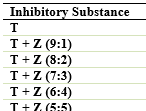
Pseudomonas aeruginosa is a major nosocomial pathogen with intrinsic and acquired resistance to β-lactams, aminoglycosides, and fluoroquinolones, causing >30% mortality in critical infections. Zerbaxa resistance mediated by cephalosporinases and porin mutations now threatens clinical utility. Limited studies have evaluated termite-derived termicin combined with Zerbaxa against multidrug-resistant (MDR) P. aeruginosa. This study assessed the interaction between termite gut-derived termicin and Zerbaxa against clinical P. aeruginosa strains to determine synergistic potential. One hundred fish pond water samples from Uli, Nigeria were cultured on cetrimide agar. Three P. aeruginosa isolates (PA03, PA065, PA076) were identified by morphology, biochemistry, and 16S rRNA sequencing. Termicin was extracted from termite gut using solvent extraction and TLC. MICs of termicin, Zerbaxa, and 9:1 to 1:9 combinations were determined by microtube dilution. Of 78 isolates, 43.59% were resistant to conventional antibiotics, with 82.35% of resistant strains showing MDR (p < 0.001). Termicin alone had MICs of 0.250–0.500, while Zerbaxa alone had MICs of 0.125. At 3:7 and 2:8 termicin:Zerbaxa ratios, MICs decreased 8 to 31.25 fold; PA065 reduced from 0.250 to 0.008. ANOVA showed significant MIC reductions across ratios (F = 24.6–31.2, df = 10, p < 0.001). Post-hoc tests indicated 5:5 to 1:9 combinations were significantly more potent than termicin alone (p < 0.01). Termicin–Zerbaxa combinations, especially 2:8 and 3:7, exhibited significant synergy against MDR P. aeruginosa, with sub-inhibitory Zerbaxa potentiating termicin. This provides first evidence of termicin–Zerbaxa synergy, supporting peptide–β-lactam dual therapy to combat P. aeruginosa resistance.