The Efficacy of Non-Pharmacological Interventions for Managing Agitated Behaviors in Individuals with Early-Stage Dementia in the United Kingdom
DOI:
10.54117/jnmahs.v4i1.56Published:
2026-02-04Issue:
Vol. 4 No. 1 (2026): VolumeKeywords:
Non-pharmacological, Psychosocial interventions, Music and sensory therapy in dementia care, Person-centred dementiaArticles
Downloads
How to Cite
Abstract
Agitation is a prevalent and distressing behavioural symptom, often associated with increased caregiver burden, accelerated institutionalisation, and inappropriate reliance on psychotropic medication. As the UK faces a rapidly ageing population, with a substantial increase in the number of older adults projected in the coming decades, the burden of age-related conditions like dementia is also anticipated to rise significantly. People living with dementia are expected to grow from 982,000 in 2024 to 1.4 million in 2040 with prevalence increasing from 1.4% to 1.9%. This research presents a systematic review of non-pharmacological interventions for managing agitated behaviours in individuals with early-stage dementia within the United Kingdom.
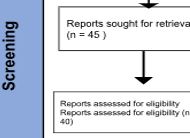
Thirteen peer-reviewed studies were identified through a systematic search of Google Scholar, PubMed, PsycINFO, and CINAHL, guided by the PRISMA framework. The studies, appraised using CASP, encompassed randomised controlled trials, mixed-methods designs, and qualitative evaluations. Thematic analysis generated three overarching themes: (1) types of non-pharmacological interventions, (2) their efficacy in reducing the frequency and severity of agitation, and (3) contextual factors influencing their success.
Findings indicate that multi-component, person-centred interventions such as WHELD and DCM provide the strongest evidence for reducing agitation, improving quality of life, and increasing positive care interactions, though effects are modest and resource-dependent. Psychosocial and activity-based approaches, including music therapy and CBT, demonstrated benefits for engagement, mood, and arousal regulation, though large RCTs of reminiscence and exercise yielded limited impact on agitation. Implementation fidelity, staff training, delivery mode, and organisational support emerged as decisive factors shaping effectiveness, while economic evaluations revealed significant costs but insufficient modelling of long-term savings.
The review concludes that non-pharmacological interventions can reduce agitation, but outcomes are highly context-dependent. Recommendations emphasise tiered practice models, organisational investment, and methodological innovation particularly pragmatic and context-sensitive designs to advance dementia care evidence and practice in the UK.
Author Biographies
Temitope Bobola Oladunmoye, Department of Nursing, Faculty of Health, Medicine and Social Care, Anglia Ruskin University, Chelmsford Campus, England.
Robert Priharjo, Department of Nursing, Faculty of Health, Medicine and Social Care, Anglia Ruskin University, Chelmsford Campus, England.
James Success Odubia, Department of Health Promotion and Education, Faculty of Public Health, College of Medicine, University of Ibadan, Ibadan.
Oluwatosin James Amosu, DataClear Consult.
License
Copyright (c) 2026 Temitope Bobola Oladunmoye, Robert Priharjo, James Success Odubia, Oluwatosin James Amosu

This work is licensed under a Creative Commons Attribution 4.0 International License.