Knowledge of Birth Preparedness and Complication Readiness among Pregnant Women Attending Antenatal Clinic in Mgbundukwu Primary Health Center, Port Harcourt
DOI:
10.54117/jnmahs.v4i2.74Published:
2026-04-05Issue:
Vol. 4 No. 1 (2026): VolumeKeywords:
Birth preparedness, complication readiness, maternal health, antenatal care, NigeriaArticles
Downloads
How to Cite
Abstract
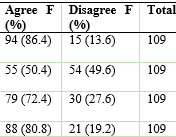
Maternal mortality remains a significant public health challenge in Nigeria, largely due to delays in seeking, reaching, and receiving skilled obstetric care. Birth Preparedness and Complication Readiness (BP/CR) is a key strategy for reducing maternal morbidity and mortality through early planning and recognition of obstetric danger signs. This study assessed the knowledge of BP/CR among pregnant women attending antenatal clinic at Mgbundukwu Model Primary Health Center in Port Harcourt, Rivers State, Nigeria. A descriptive cross-sectional design was adopted. A total of 120 questionnaires were administered using a structured self-administered instrument, of which 109 were correctly completed and analyzed, yielding a response rate of 90.8%. Data were analyzed using descriptive statistics with the aid of SPSS version 25. Findings revealed that the majority of respondents (70.6%) demonstrated good knowledge of BP/CR, while 29.4% had poor knowledge. Most respondents (86.4%) recognized that birth preparedness involves planning to deliver in a healthcare facility, and 81.7% acknowledged the importance of skilled birth attendants. However, only 50.4% identified regular antenatal registration and attendance as key components of BP/CR, and 53.2% recognized saving money for emergencies as essential. Although awareness of institutional delivery and skilled attendance was high, gaps remain in practical aspects of financial and logistical preparation. The study concludes that while knowledge of BP/CR among pregnant women in the study area is relatively high, comprehensive understanding of its critical components remains incomplete. Strengthened antenatal health education and community-based interventions are recommended to enhance preparedness and reduce maternal health risks.
Author Biographies
Bariduduune Gift Giadom, Department of Nursing Sciences, Faculty of Basic Medical Sciences, College of Medical Sciences, Rivers State University.
Udo Orukwowu, Department of Nursing Sciences, Faculty of Basic Medical Sciences, College of Medical Sciences, Rivers State University.
Aleruchi Lenchi Oji, Department of Nursing Sciences, Faculty of Basic Medical Sciences, College of Medical Sciences, Rivers State University.
Boma Iweriso George, Department of Nursing Sciences, Faculty of Basic Medical Sciences, College of Medical Sciences, Rivers State University.
Bipbari Precious Makoro, Department of Nursing Sciences, Faculty of Basic Medical Sciences, College of Medical Sciences, Rivers State University.
Augusta Eleazar Agharandu, Department of Nursing Sciences, Faculty of Basic Medical Sciences, College of Medical Sciences, Rivers State University.
Rose Olunwa Obele, Department of Nursing Sciences, Faculty of Basic Medical Sciences, College of Medical Sciences, Rivers State University.
License
Copyright (c) 2026 Bariduduune Gift Giadom, Udo Orukwowu, Aleruchi Lenchi Oji, Boma Iweriso George, Bipbari Precious Makoro, Augusta Eleazar Agharandu, Rose Olunwa Obele

This work is licensed under a Creative Commons Attribution 4.0 International License.