Compliance with Routine Childhood Immunization Schedules among Mothers Attending Primary and Tertiary Healthcare Facilities in Rivers State, Nigeria: A Cross-Sectional Survey
DOI:
10.54117/jnmahs.v4i2.83Published:
2026-04-23Issue:
Vol. 4 No. 2 (2026): VolumeKeywords:
Immunization compliance, childhood vaccination, maternal behaviour, Rivers State, Nigeria, primary healthcareArticles
Downloads
How to Cite
Abstract
Background: Routine childhood immunization is a cornerstone of child survival. In Rivers State, Nigeria, maternal compliance with immunization schedules remains sub-optimal due to socio-demographic, access-related, and informational barriers.
Objective: This study assessed compliance with routine childhood immunization schedules among mothers attending primary and tertiary healthcare facilities in Rivers State, determined influencing factors, and examined the impact of compliance on overall immunization coverage.
Methods: A descriptive cross-sectional design was employed. A total of 422 mothers were recruited through a multistage sampling technique from six healthcare facilities spanning all three senatorial districts of Rivers State. Data were collected using a structured, self-administered questionnaire and analyzed using frequencies, percentages, means, standard deviations, and multivariate logistic regression.
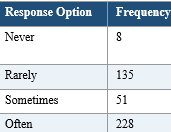
Results: Most respondents were aged 30–39 years (44.3%), held tertiary-level education (53.9%), and were married (69.8%). Immunization compliance was generally high: 72.0% always brought their children for scheduled vaccinations, and 83.9% used health record cards for schedule tracking. Healthcare provider advice (β = 0.72; OR = 2.06; p < 0.001), ease of access (β = 0.45; OR = 1.57; p < 0.001), satisfaction with immunization information (β = 0.50; OR = 1.65; p < 0.001), and perceived vaccine benefits (β = 1.20; OR = 3.32; p < 0.001) were significant independent predictors of compliance. The majority of mothers (75.8%) believed their compliance improved community immunization coverage, and 90.0% observed health benefits in their children.
Conclusions: Although compliance was generally high, barriers related to access, financial constraints, and occasional missed appointments persisted. Strengthening healthcare provider communication, improving service accessibility, and deploying digital reminder tools are recommended to sustain and enhance immunization coverage in Rivers State.
Author Biographies
Jane Ijeoma Obialor, Department of Nursing Sciences, Faculty of Basic Medical Sciences, Rivers State University, Nkpolu-Oruworukwo, Port Harcourt, Nigeria.
Folorunso Dipo Omisakin, Department of Nursing Sciences, Faculty of Basic Medical Sciences, Rivers State University, Nkpolu-Oruworukwo, Port Harcourt, Nigeria.
Augusta Eleazar Agharandu, Department of Nursing Sciences, Faculty of Basic Medical Sciences, Rivers State University, Nkpolu-Oruworukwo, Port Harcourt, Nigeria.
Sorbarikor Bernard, Department of Nursing Sciences, Faculty of Basic Medical Sciences, Rivers State University, Nkpolu-Oruworukwo, Port Harcourt, Nigeria.
Samuel Tochukwu Ugoezue, California State University Los Angeles, California.
License
Copyright (c) 2026 Jane Ijeoma Obialor, Folorunso Dipo Omisakin, Augusta Eleazar Agharandu, Sorbarikor Bernard, Samuel Tochukwu Ugoezue

This work is licensed under a Creative Commons Attribution 4.0 International License.