Knowledge and Utilization of WHO Childbirth Checklist by Nurses and Midwives in Selected Public Hospitals in Lagos Metropolis
DOI:
https://doi.org/10.54117/jtmphs.v4i2.101Keywords:
WHO Safe Childbirth Checklist, Knowledge, Utilization, NursesAbstract
Background: This paper discussed the knowledge and use of the WHO Childbirth Checklist among in-service nurses and midwives in chosen public hospitals located in the Lagos Metropolis, Lagos State, Nigeria.
Methods: A descriptive cross-sectional design was used. The study included a total of 146 nurses and midwives working in tertiary (LASUTH and LUTH), secondary (Alimosho, Ikorodu, Randle General Hospitals), and primary (Ifako, Obawole PHCs) health facilities through convenience sampling. The data were collected using a structured questionnaire and analyzed using SPSS version 26. Descriptive statistics, chi-square tests, and the mean score were computed and significance level set at p < 0.05.
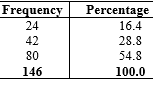
Result: Result: Only 35.6% of the respondents had received formal training on the WHO Safe Childbirth Checklist (SCC). Overall, 28.8% demonstrated good knowledge, 46.6% had moderate knowledge, while 24.6% had poor knowledge. Utilization was generally low, with 16.4% reporting high utilization, 28.8% moderate utilization, and 54.8% low utilization. The relationship between knowledge and utilization was statistically significant (χ² = 38.64, p = 0.001). The major barriers identified were lack of training (mean = 3.16), heavy workload (mean = 3.15), and inadequate materials (mean = 3.07). Key facilitators included regular refresher training (mean = 3.32), teamwork (mean = 3.14), and peer support (mean = 3.10). Respondents who had received formal training demonstrated significantly better knowledge (53.8% vs. 14.9%) and higher utilization (34.6% vs. 6.4%) compared with untrained respondents.
Conclusion: The collection of information and the implementation of the WHO checklist for births by nurses and midwives in the public hospitals of Lagos is relatively low, plagued by a massive gap found in many of hospitals. Extensive activities, such as advocacy and popularity campaigns, controlling training to be made mandatory, tackling the issue of overcrowding, and improving management assistance and increasing the integration of the resources, are required to give a further boost to the checklist entry and maternal-neonate safety.
Downloads
Published
How to Cite
Issue
Section
License
Copyright (c) 2026 Yetunde A. Afilaka, Faith C. Diorgu, Mayowa G. Elemile

This work is licensed under a Creative Commons Attribution 4.0 International License.