Dual Approach Therapy: Assessing Cecropin-Like Peptides from Rhynchophorus phornicis Gut and Ciprofloxacin Synergy against Salmonella enterica Serovar Typhi
DOI:
https://doi.org/10.54117/jtmphs.v4i2.99Keywords:
Salmonella Typhi, cecropin-like peptide, ciprofloxacin, synergy, Rhynchophorus phoenicisAbstract
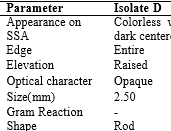
Salmonella enterica serovar Typhi (S. Typhi) causes typhoid fever, with 11–21 million cases and up to 161,000 deaths annually. Rising multidrug-resistant and extensively drug-resistant strains limit treatment, while declining ciprofloxacin susceptibility increases clinical failures. Data on combined effects of cecropin-like peptides from Rhynchophorus phoenicis gut and ciprofloxacin against S. Typhi are lacking. This study assessed synergy between cecropin-like peptides extracted from R. phoenicis gut and ciprofloxacin against clinical S. Typhi strains to determine optimal ratios. Fish pond water samples from Uli, Anambra State, Nigeria were cultured on SSA. Five S. Typhi isolates were characterized morphologically, biochemically, and by 16S rRNA sequencing. Cecropin-like peptides were extracted from R. phoenicis gut using solvent extraction and TLC. Peptide and ciprofloxacin (1.0 mg/mL) were combined at 9:1 to 1:9 ratios. MICs were determined by microtube dilution. All isolates were Gram-negative rods confirmed as S. Typhi with 100% 16S rRNA identity to reference strains. Cecropin-like peptide alone had MICs of 0.250–0.500. Combinations at 2:8 and 3:7 peptide:ciprofloxacin ratios reduced MICs 16 to 62.5 fold, with ST25 decreasing from 0.250 to 0.004. ANOVA showed significant MIC reduction across ratios for all strains (F = 21.4–29.8, df = 10, p < 0.001). Post-hoc tests indicated 6:4 to 1:9 combinations were significantly more potent than peptide alone (p < 0.01). Conclusion: Cecropin-like peptide–ciprofloxacin combinations, especially 2:8 to 3:7, exhibited significant synergy against MDR S. Typhi, with sub-inhibitory ciprofloxacin potentiating peptide activity. This provides first evidence of cecropin-like peptide–ciprofloxacin synergy against S. Typhi, supporting dual peptide-antibiotic therapy for typhoid resistance.
Downloads
Published
How to Cite
Issue
Section
License
Copyright (c) 2026 V. E. Ike, I. H. Iheukwumere, C. M. Iheukwumere, M. I. Nwachukwu, I. O. Nwachukwu, I. A. C. Mbachu, P. A. Okoye, S. C. Ochibulu, E. U. Igboanugo, J. C. Akulue

This work is licensed under a Creative Commons Attribution 4.0 International License.