Human T-Lymphotropic Virus (HTLV), Virology, Pathogenesis, Epidemiology, and Clinical Management
DOI:
https://doi.org/10.54117/zas82a33Keywords:
Borehole water, seasonal variation, quality, physical, chemical, standardsAbstract
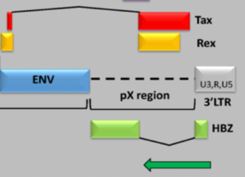
The Human T-Lymphotropic Viruses (HTLVs) are a group of deltaretroviruses that represent the first identified human retroviruses. Since the discovery of HTLV-1 in 1979, four types (HTLV-1, -2, -3, and -4) have been identified, with HTLV-1 being the most clinically significant. HTLV-1 is the causative agent of adult T-cell leukemia/lymphoma (ATL), a highly aggressive malignancy of CD4+ T-cells, and HTLV-1-associated myelopathy/tropical spastic paraparesis (HAM/TSP), a chronic, debilitating inflammatory disease of the central nervous system. This review provides a comprehensive overview of the HTLV family, detailing its unique genomic structure and complex life cycle, which is tightly regulated by viral accessory proteins like Tax and Rex. We explore the molecular mechanisms underlying its pathogenesis, including viral persistence and host immune responses. The primary modes of transmission—mother-to-child (predominantly via breastfeeding), sexual contact, and exposure to contaminated blood products—are discussed in detail. The global distribution of HTLV is heterogeneous, with distinct endemic clusters in southwestern Japan, the Caribbean, sub-Saharan Africa, and parts of South America. Diagnosis relies on serological screening followed by confirmatory Western Blot and/or polymerase chain reaction (PCR) assays. Currently, no curative antiviral therapy exists; treatment for associated diseases is largely palliative, and prevention strategies focus on screening blood products, promoting safe sexual practices, and advising against breastfeeding by seropositive mothers. This paper synthesizes current knowledge on HTLV, highlighting the ongoing challenges in management and the critical need for effective therapeutic interventions and broader public health initiatives.
Downloads
Published
Issue
Section
License
Copyright (c) 2023 I. H. Iheukwumere, C. M. Iheukwumere, B, C. Unaeze, V. E. Ike, H. C. Nnadozie, S. O. Onyema (Author)

This work is licensed under a Creative Commons Attribution 4.0 International License.