Sandfly Fever Virus (Phlebovirus): Transmission, Molecular Biology, Epidemiology, and Clinical Management
DOI:
https://doi.org/10.54117/fjg2n813Keywords:
Sandfly fever virus, Phlebovirus, Epidemiology, Vector-borne disease, Clinical managementAbstract
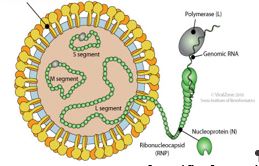
Sandfly fever viruses, classified within the Phlebovirus genus of the Phenuiviridae family, are emerging pathogens transmitted to humans through the bite of infected phlebotomine sandflies, primarily Phlebotomus papatasi. These enveloped viruses possess a tripartite, negative-sense single-stranded RNA genome. The three segments large (L), medium (M), and small (S) encode the RNA-dependent RNA polymerase, the envelope glycoproteins (Gn and Gc), and the nucleocapsid protein (N), respectively. The glycoproteins are critical for host cell entry, while the non-structural protein (NSs) encoded by the S segment is a key virulence factor, acting as an interferon antagonist to suppress the host's antiviral immune response. Human infection results in a self-limiting acute febrile illness known as sandfly fever or pappataci fever. After an incubation period of approximately six days, symptoms suddenly appear, including high fever, severe headache, photophobia, myalgia, and conjunctival injection. The illness typically resolves within a few days without specific treatment, though a prolonged period of asthenia may follow. In rare instances, certain strains like Toscana virus can cause more severe neuroinvasive disease, such as meningitis or encephalitis. The geographical distribution of the virus is directly tied to that of its sandfly vector, making it endemic throughout subtropical regions of the Eastern Hemisphere, including Southern Europe, North Africa, the Middle East, and Central Asia. Infections are most common during the warmer summer and temperate months when sandfly activity peaks. Diagnosis relies on PCR for viral RNA detection or serological assays, as commercial tests are limited. Management is supportive, utilizing analgesics and antipyretics. Prevention focuses on vector control through the use of insect repellents, insecticide-treated clothing and bed nets, and public health education, as no licensed vaccine is currently available.
Downloads
Published
Issue
Section
License
Copyright (c) 2025 I. H. Iheukwumere, C. M. Iheukwumere, B, C. Unaeze, V. E. Ike, H. C. Nnadozie, S. O. Onyema (Author)

This work is licensed under a Creative Commons Attribution 4.0 International License.