Bacteriological Analysis of Groundwater in Gombe Metropolis, Gombe Local Government Area, Gombe State, Nigeria: Implications for Public Health
DOI:
https://doi.org/10.54117/yfm5rq39Keywords:
Bacteriological contamination, Groundwater quality, Heterotrophic bacterial counts, Waterborne pathogens, Public healthAbstract
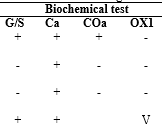
Potable water is essential for human development and public health promotion. A higher percentage of water for domestic purposes in Nigeria has been contaminated by pollutants due to human activities. The study was designed to assess the bacterial presence in groundwater in Gombe metropolis, Gombe State. A sample of water was collected for bacteriological analysis. All samples were collected in a sterilised container and taken to the microbiology laboratory for microbiological analysis. The result reveals that the values exceed the recommended limits set by World Health Organisation (WHO) 0cfu/100ml and Nigeria standard of 10cfu/100ml (heterotrophic bacteria) with the highest recorded in Tudun Wada (borehole) with 7.0×194cfu/100ml with the least from both borehole and well in Dawaki with 1.2×10⁴cfu/100ml. Various species of bacteria were identified in the sample of water collected from the sites, Staphylococcus aureus, Salmonella typhi, E. Coli, Bacillus subtilis, Pseudomonas aeruginosa, were identified in various sites of the study. The bacterial counts in all the samples of water collected were above the permissible limit for consumption; therefore, not recommended for consumption without treatment.
Downloads
Published
Issue
Section
License
Copyright (c) 2026 Kabiru Aliyu Baraya, Sani Buba, Elizabeth Andrew Haruna, Jonathan Danna Zumunta, Ahmed Muhammed, Saidu Idris Muhammad

This work is licensed under a Creative Commons Attribution 4.0 International License.