Molecular Detection of AMPCs Producing Enterobacterales from Patients Attending Some Hospitals in Bauchi State, Northern, Nigeria
DOI:
https://doi.org/10.54117/ijph.v5i2.37Keywords:
Beta-lactamases, AmpC, Enterobacterales, Antibiotic resistanceAbstract
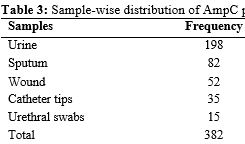
The burden of antimicrobial resistance (AMR) is rapidly growing across antibiotic classes, with an increase in detection of isolates resistant to cephalosporins. Data regarding the incidence of AmpC-producing enterobacterales (CRE) is still lacking. It is therefore pertinent to encourage surveillance studies along this line with epidemiological purposes, thus prompting the current work. The study aimed at establishing the prevalence of AmpC-producing Enterobacterales among patients attending some hospitals in Bauchi state, Nigeria. A prospective cross‑sectional study was carried out in which 382 samples were collected from consented and assented patients attending six different hospitals in Bauchi state, Nigeria. The samples include Urine, Sputum, Catheter tips and Wound swabs. The isolates were isolated and confirmed using standard techniques based on their cultural morphology, Gram staining and were confirmed biochemically using API20E strips. Susceptibility profiles of the isolates were determined by the disc diffusion technique according to Clinical Laboratory Standards Institute (CLSI). Isolates resistant to one or more cephalosporin antibiotics were selected for the detection of AmpC Enzymes by the Disc approximation assay and were confirmed using molecular techniques. Out of 382 samples, the study isolated 205(53.6%) Enterobacterobacterales. The most frequently detected pathogens include Escherichia coli (47.8%), Klebsiella pneumoniae (36.0 %), Citrobacter freudii (5.3%), Proteus mirabilis (2.9%), Serratia marcescens (2.9%), Morganella morganii (1.9%), Hafnia alvei (0.9%), and Enterobacter aerogenes (1.9%). Highest resistance was recorded for Ampicillin (68.3%), followed by Ciprofloxacin (39.4%) and Amoxicillin-clavulanate (47.3%), while Imipenem exhibited the lowest resistance (9.2%). Among the 205 Enterobacterales isolates, 51.7% were multidrug-resistant isolates. Seventy (70) species were found to be AmpC producers, with only 12 isolates confirmed by polymerase chain reaction (PCR). These results emphasize the importance of continuous screening and surveillance programs for the detection of Betalactamase resistance genes in enteric bacteria of public health importance.
Downloads
Published
Issue
Section
License
Copyright (c) 2025 Hauwa Yakubu, Gloria Nyarim, Abdullahi Mohammed, Barkatullah Ja’afar Abdullahi, Nazif Yakubu, Kabir Hassan Sambo

This work is licensed under a Creative Commons Attribution 4.0 International License.