The Impact of Maternal Lead Exposure on Pregnancy Outcomes
A Systematic Review
DOI:
https://doi.org/10.54117/ijph.v5i2.43Keywords:
Lead exposure, pregnancy outcomes, preeclampsia, preterm birth, maternal blood lead levels, hypertension in pregnancy, environmental exposure, adverse pregnancy outcomesAbstract
Background: Lead (Pb) is a naturally occurring toxic heavy metal. Maternal exposure to lead has been increasingly implicated in a range of adverse pregnancy outcomes.
Objective: To systematically review and synthesize evidence on the association between maternal blood lead levels (BLLs) and adverse pregnancy outcomes, including preeclampsia, pregnancy-induced hypertension (PIH), preterm birth, and newborn anthropometric measurements.
Methods: This systematic review followed PRISMA 2020 guidelines. Searches were conducted across PubMed, ScienceDirect, and EBSCO for studies published between 2004 and 2024. Eligible studies included observational study designs that assessed maternal BLLs through blood analysis and reported on specific pregnancy outcomes. Data were extracted using a structured approach, and study quality was appraised using the Critical Appraisal Skills Programme (CASP) checklists.
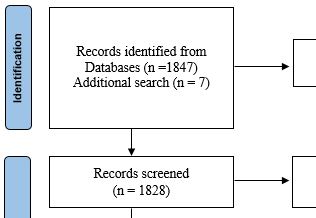
Results: 20 studies out of 1854 met the inclusion criteria and were synthesized in the review. Elevated maternal BLLs were significantly associated with increased risks of preeclampsia (10 of 11 studies), preterm birth (8 of 9 studies), and PIH (4 of 4 studies). Adverse outcomes were documented even at BLLs below the current WHO threshold of 5 µg/dL. In three studies, higher BLLs were also linked to reductions in neonatal birth weight and size.
Conclusion: Maternal lead exposure, even at low levels, is consistently associated with hypertensive disorders of pregnancy, preterm birth, and impaired foetal growth. Mechanisms of toxicity include oxidative stress, endothelial dysfunction, placental insufficiency, and hormonal disruption These findings highlight the urgent need for policy reforms, environmental interventions, and routine antenatal screening in high-risk settings. Integrating toxicological risk assessment into maternal healthcare protocols is critical to improving feto-maternal outcomes globally.
Downloads
Published
Issue
Section
License
Copyright (c) 2025 Kenechi A. Aliche, Catherine Ikewuchi, Faith C. Diorgu

This work is licensed under a Creative Commons Attribution 4.0 International License.