Herpes Simplex Viruses 1 and 2: Virology, Pathogenesis, Epidemiology, and Clinical Management: A Comprehensive Review
DOI:
https://doi.org/10.54117/9e8swy03Keywords:
Herpes Simplex Virus, HSV-1, HSV-2, Genital Herpes, Orofacial HerpesAbstract
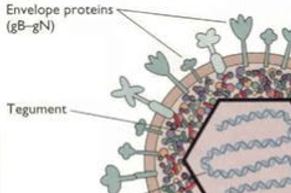
Herpes Simplex Virus types 1 and 2 (HSV-1 and HSV-2) are ubiquitous human pathogens belonging to the Alphaherpesvirinae subfamily. They establish lifelong infections characterized by periods of latency and reactivation, leading to a significant global health burden. HSV-1 is traditionally associated with orofacial infections (cold sores), while HSV-2 is the primary cause of genital herpes. However, changing sexual practices have led to an increasing proportion of genital herpes cases attributable to HSV-1. A substantial feature of both viruses is asymptomatic shedding, which is a major driver of transmission. This review provides a detailed examination of the classification, structure, and genomic organization of HSV. We delve into the molecular mechanisms of viral replication, immune evasion, and the establishment of latency in sensory ganglia. The clinical manifestations, ranging from mucocutaneous ulcers to life-threatening encephalitis and neonatal herpes, are comprehensively described. Global epidemiological trends are analyzed, highlighting the disparities in seroprevalence between regions and demographic groups. Furthermore, the paper discusses current diagnostic methodologies, including viral culture, serological type-specific assays, and the gold-standard molecular PCR tests. Finally, we review the available antiviral treatments, preventive strategies, and the ongoing challenges in vaccine development. The aim of this review is to consolidate current knowledge on HSV, emphasizing its complex biology and significant public health impact.
Downloads
Published
Issue
Section
License
Copyright (c) 2025 I. H. Iheukwumere, C. M. Iheukwumere, B. C. Unaeze, V. E. Ike, H. C. Nnadozie, S. O. Onyema

This work is licensed under a Creative Commons Attribution 4.0 International License.