Global Burden and Management of Dengue Virus Infection: Current Insights and Future Directions
DOI:
https://doi.org/10.54117/bs9g2v51Keywords:
Dengue virus, Flavivirus, Pathogenesis, Diagnosis, Prevention, TreatmentAbstract
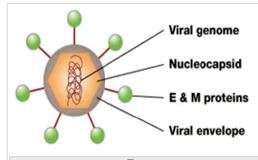
Dengue virus (DENV) is a globally significant arthropod-borne virus belonging to the Flaviviridae family and the genus Flavivirus. DENV is an enveloped, positive-sense single-stranded RNA virus with a roughly spherical shape and diameter of approximately 50 nm. Dengue virus is primarily transmitted to humans through bites of infected female mosquitoes belonging to the Aedes genus. The virus has an incubation period of approximately 8 -12 days with its pathogenesis involving initial infection of the immune cells followed by systemic viral spread with severe disease resulting from immune-mediated mechanisms like cytokine forms antibody-dependent enhancement and endothelial dysfunction. The infection causes dengue fever and dengue shock syndrome which is usually characterized by increased vascular permeability, thrombocytopenia, vomiting, rash, organ failure, and death if left untreated. Dengue virus is widely distributed geographically whereby affects children and adolescents under the age of 15 years and a few adults, it also affects the male gender more than females due to behavioural factors, under occupation it affects outdoor workers especially farmers, construction workers and military personnel. DENV can be detected using clinical examinations, and laboratory diagnosis such as RT-PCR, and ELISA to detect the viral antibodies. Treatment of the virus involves the use of supportive therapy such as NSAIDs, adequate intake and use of antiviral drugs. Vectors control and vaccination can be used to prevent the outbreak of this virus. With coordinated efforts at local, national, and international levels, the burden of the dengue virus can be significantly reduced, improving health outcomes and saving lives worldwide.
Downloads
Published
Issue
Section
License
Copyright (c) 2025 I. H. Iheukwumere, C. M. Iheukwumere, B. C. Unaeze, V. E. Ike, H. C. Nnadozie, S. O. Onyema

This work is licensed under a Creative Commons Attribution 4.0 International License.