Polyomaviruses: Structure, Replication Strategies, and Oncogenic Roles in Human Diseases
DOI:
https://doi.org/10.54117/hgtxhr55Keywords:
Polyomaviruses, DNA viruses, Viral replication, Oncogenesis, Host-pathogen interactionAbstract
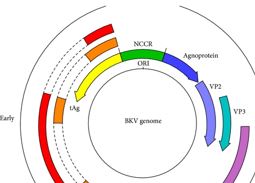
DNA Viruses manipulate numerous host factors and cellular pathways to usurp and control cellular activities through the orchestrated recruitment of macromolecules to induce abnormal growth of the host cell. In this review, polyomaviruses and their structures, replication and their roles in abnormal growth formation are summarized. Polyomaviruses are non-enveloped icosahedral double stranded DNA viruses with genome size of 5kb. The genome codes for early protein (large tumor antigen and small tumor antigen) which play major role in replication of the viruses and abnormal cell proliferation and late proteins (VP1, VP2, VP3 and Agno proteins) for capsid formation, viral exit and regulation of the viral life cycle. The replicative strategies of the viruses and their roles in cancer formation are reviewed. Polyomaviruses (JC virus, BK virus and sinia virus 40) establish subclinical and resistance infection and share the capacity for reactivation from latency in their host under immunosuppression. Polyomaviruses are mostly common in children, with little or no symptoms, and probably lifelong persistent in adults.
Downloads
Published
Issue
Section
License
Copyright (c) 2025 I. H. Iheukwumere, C. M. Iheukwumere, B. C. Unaeze, V. E. Ike, H. C. Nnadozie, S. O. Onyema

This work is licensed under a Creative Commons Attribution 4.0 International License.