Determinants of Utilisation of Emergency Obstetric Equipment among Healthcare Givers in Bonny LGA
DOI:
https://doi.org/10.54117/2jx9hk48Keywords:
Determinants, workers training, work experience, Emergency obstetric care (EmOC), Primary health care (PHC), UtilizationAbstract
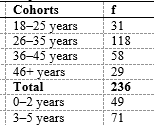
Preventable obstetric emergencies remain a major cause of maternal and newborn deaths, yet many primary health care (PHC) facilities do not have consistently available and functional emergency obstetric care (EmOC) equipment, and referral pathways are often weak. In Bonny LGA, Rivers State, these challenges are intensified by the riverine context, where transport, distance, and communication barriers can delay timely care. Against this background, this study examined the determinants of utilization of EmOC equipment across PHC facilities in the area. A descriptive cross-sectional survey design was adopted. Fourteen (14) PHCs were assessed using a facility checklist, and 236 healthcare workers (doctors, nurses, midwives, CHOs and CHEWs) were selected through multistage sampling: proportionate stratified sampling (75% of facility staff strength), purposive selection of eligible cadres, and systematic random sampling within facilities. Data were collected using the Utilization of Basic Obstetric Care Emergency Equipment Questionnaire (UBOCEEQ) with a reliability coefficient of 0.87. The researcher with two Trained assistants administered questionnaires. Data were analyzed in SPSS v26 using frequencies, percentages, means, standard deviations, independent t-test, and one-way ANOVA for hypotheses. It was found that utilization was good (M = 2.70±0.69) but advanced procedures were poorly used (MVA M = 2.26; vacuum extraction M = 2.25). Healthcare workers’ training t(234)=6.434, p<.001; and experience, F(3,232)=15.068, p<.001 influenced utilization. The study concluded that workers’ training and experience are major determinants of utilisation of emergency obstetric equipment. One key recommendation is that public healthcare facilities management should implement continuous on the job training for healthcare workers as this will help to improve appropriate and adequate utilization of emergency obstetric equipment for better service delivery.