Evaluation of the Aqueous Leaf Extract of Ocimum gratissimum (Scent Leaf) against Larvae of Musca domestica
DOI:
https://doi.org/10.54117/ijddrr.v3i1.26Keywords:
Toxicity, Larvicidal, Aqueous Extract, Phytochemical, MuscaAbstract
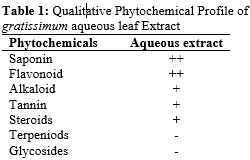
Numerous disease-causing pathogens, including those responsible for typhoid, cholera, and dysentery, are mechanically transmitted by Musca domestica. Due to increasing concerns over the use of chemical insecticides in controlling this pest, exploring alternative management strategies has become a priority. This research focused on evaluating the larvicidal effects of aqueous extracts from the leaves of Ocimum gratissimum (commonly known as scent leaf) against the larvae of Musca domestica. The leaves of O. gratissimum were harvested, thoroughly washed, dried in the shade, and ground into a fine powder. Extraction of the plant material was carried out using the maceration technique and Whatman filtration for use in larval toxicity testing. The larvae were cultured following the procedure outlined by Pavela. Both qualitative and quantitative analyses of the extract were conducted using established analytical methods. Phytochemical screening of the extracts confirmed the presence of saponins, flavonoids, alkaloids, tannins, steroids, and proteins. Four different concentrations (100, 250, 500 and 1000 ppm) of extracts were used. Four (4) replicates were maintained for each concentration and mortality (Moribund and dead) was recorded after 24, 48 and 72 hours. Findings of this study indicated 6.25 (25.00 %); 8.50 (34.00 %) and 5.25 (21.00%) mortality of the larvae within 24; 48 and 72hrs respectively of exposure. Mortality rate was concentration dependent as highest mortality 12(48.00%) was recorded in 1000 ppm after 48 hours; The Concentration-response larvicidal bioassay of the extracts against larva of Musca domestica results showed that aqueous extract have at 72hours 5.25 (21.00 %) mortality at 115.536 ppm (minimum lethal concentration LC50) and 113.90 ppm (maximum lethal concentration LC95). The control group (larvae maintained in distilled water and Quaker oat without the extract) exhibited no signs of toxicity. The findings of the study demonstrated that the tested plant extracts possess notable potential for controlling houseflies. Ocimum gratissimum extracts, in particular, could serve as an effective means of housefly management. Nonetheless, additional research focusing on the mortality of pupae and adult flies is advised.
Downloads
Published
How to Cite
Issue
Section
License
Copyright (c) 2025 Anthony Obinna Ekesiobi

This work is licensed under a Creative Commons Attribution 4.0 International License.