Helicobacter pylori Inhibition by Medicinal Plant Extracts
An In Vitro Assessment
DOI:
https://doi.org/10.54117/ijddrr.v3i1.28Keywords:
Helicobacter pylori, Antibiotic resistance, Medicinal plants, Phytochemicals, Zingiber officinaleAbstract
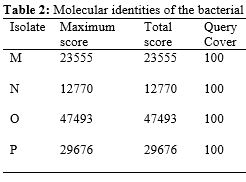
In Nigeria, the increase in antibiotic-resistant strains associated with H. pylori has necessitated the search for alternative therapeutic agents from botanical sources. This study focused on the assessment of inhibition of some selected medicinal plants against H. pylori. A total of 186 each of stool and blood samples were collected and screened for HP using Columbia agar supplemented with minor nutrients. The isolates were characterized using their morphological, biochemical and molecular properties. The phytochemical content of Zingiber officinale (ZO) rhizome, Hunteria umbellate (HU) leaves and Neubouda laevis (NL) leaves extracts were determined using gravimetric and spectrophotometric methods. The in vitro activities of medicinal plants against the isolates were carried out using agar-well diffusion method. Analysis of variance (ANOVA) and student “t” test were used to analyze the data generated from the study at 95 % confidence level. H. pylori strain K154 (HPK154), H. pylori strain BS07 (HPBS07), H. pylori strain K93 (HPK93) and H. pylori strain K115 (HPK115) were encountered in the study. Alkaloids, saponins, phenolics, flavonoids, tannins, and glycosides were the major phytochemicals significantly (P<0.05) detected in the plant extracts. ZO showed the highest inhibition at the optimal concentration (250 mg/ml), but the activity was statistically non- significant (p≥0.05) when compared to HU and NL. NL+HU+ZO was most effective when compared to single and double combination. Therefore, ZO, HU and NL showed significant inhibition against HP, and ZO+HU+NL was most effective.
Downloads
Published
How to Cite
Issue
Section
License
Copyright (c) 2025 P. A. Egbe, C. N. Umeaku, I. H. Iheukwumere, C. M. Iheukwumere, U. F. Onwuasoanya, I. S. Ezenwata, S. C. Afulukwe, V. E. Ike, E. N. Ezeumeh, C. Egbuna

This work is licensed under a Creative Commons Attribution 4.0 International License.