Corollary of Lactobacillus Fermented Yam Peel on Blood Lipoproteins and Lymphocytes in Rats
DOI:
https://doi.org/10.54117/iijbs.v6i1.125Keywords:
Lactobacillus, Fermented Yam Peel, Hypolipidemic, Immunostimulation, Lymphocytes, Lipid ProfileAbstract
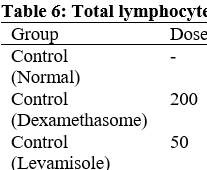
Dyslipidemia and immune dysfunction are major global health concerns, requiring effective, natural interventions. Simultaneously, the disposal of yam peel waste poses significant environmental challenges.The global challenge of agricultural waste and the need for functional nutraceuticals converge in this study, which evaluated the corollary of Lactobacillus fermented yam peel (FYP) on blood lipoproteins and lymphocytes in rats. The fermenting agent was molecularly confirmed as L. acidophilus strain DSM20079. Rats were fed a standard diet supplemented with FYP, and key health biomarkers were analyzed. The results demonstrated significant, beneficial modulations in serum lipid profiles: the FYP group exhibited statistically significant reductions in Total Cholesterol (134.10 vs. 158.40 mg/dL; p<0.01), LDL-C (26.25 vs. 40.15 mg/dL; p<0.01), and Triglycerides (91.85 vs. 122.15 mg/dL; p<0.05), alongside a significant increase in HDL-C (67.18 vs. 52.60 mg/dL; p<0.01). Concurrently, a potent immunostimulatory effect was observed, with the FYP group showing a significantly elevated total lymphocyte count (282.12 ± 1.01) compared to the normal control (152.16 ± 1.02; p<0.001), achieving levels comparable to the pharmaceutical immunostimulant levamisole. These findings indicate that FYP acts as a dual-action functional ingredient, concurrently ameliorating dyslipidemia and enhancing cellular immunity. The study concludes that the bioprocessing of yam peel via Lactobacillus fermentation successfully valorizes this waste into a bioactive supplement with proven hypolipidemic and immunopotentiating properties, supporting its potential application in sustainable preventive nutrition and animal health.
Downloads
Published
How to Cite
Issue
Section
License
Copyright (c) 2026 O. Abba, I. H. Iheukwumere, C. M. Iheukwumere, P. A. Nnagbo, V. E. Ike, J. N. Ezendianefo, D. J. Okongwu, C. A. Mere

This work is licensed under a Creative Commons Attribution 4.0 International License.