
Isolation of Lipase from Soyabean Seeds and Its Immobilization in Calcium Alginate Beads
DOI:
10.54117/ijbab.v2i1.118Published:
2026-01-24Issue:
Vol. 2 No. 1 (2026): VolumeKeywords:
Lipase, Glycine max, Activity, Immobilization, Calcium alginateArticles
Downloads
How to Cite
Abstract
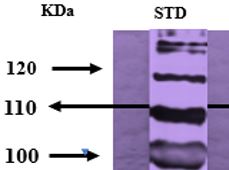
In general, lipase enzymes are used in the form of free lipase enzymes which can only be used once and are less effective, so that their use is costly. Therefore, to maximize the use of the lipase enzyme, immobilization of the enzyme that allows multiple use is a choice. The purpose of this study was to determine the activity of the soyabean (Glycine max) lipase in its free and immobilized form. The enzyme was partially purified by ammonium sulphate precipitation and DEAE ion exchange chromatography. The partially purified lipase from soyabean seed was immobilized by entrapment method using Calcium alginate beads. The immobilized lipase enzyme was characterized to determine the protein content, enzyme activity, effect of temperature, effect of pH, the effect of substrate concentration and kinetic parameters (Km and Vmax). The investigation showed that the crude lipase extract from soyabean seed sprouts had an activity of 10.71 U/mL and a protein concentration of 0.27 mg/mL. The purification profile revealed that the 40-80% ammonium sulphate precipitation and DEAE ion exchange had the highest protein content of 1.98 mg/mL and 2.04 mg/mL respectively with enzyme activity of 5.19 U/mL and 3.44 U/mL at 1.32 and 0.83 purification folds, respectively. The SDS PAGE profile of the soyabeans extracted lipase revealed a molecular weight above 100 kDa and less than 150 kDa. The protein concentration of the Ca-alginate immobilized lipase was estimated to be 0.1 mg/mL with an enzyme activity of 3.37 U/mL. The optimum temperature for the immobilized lipase enzyme was 60 °C and the optimum pH was 8.0. These results indicate that the immobilized lipase enzyme from seed sprouts of soyabean (Glycine max) can be used with little or no purifications and immobilization by entrapment method in calcium alginate bead can greatly improve its activity.