
Spinigerin from Termite Gut: A Potential Solution against Multidrug-Resistant Bacillus Cereus
DOI:
10.54117/ijbab.v2i1.128Published:
2026-02-13Issue:
Vol. 2 No. 1 (2026): VolumeKeywords:
Bacillus cereus, Spinigerin, Macrotermes, Multidrug resistance, Powdered soybean, Food safetyArticles
Downloads
How to Cite
Abstract
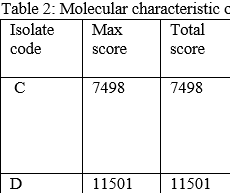
The increasing prevalence of multidrug-resistant (MDR) Bacillus cereus poses a significant threat to public health, as it can cause severe foodborne illnesses and other infections. Current treatment options are limited, and the development of new antibacterial agents is urgently needed. While spinigerin, a peptide antibiotic from termite gut, has shown promise against various pathogens, its efficacy against MDR B. cereus remains underexplored, highlighting a critical research gap in the development of alternative therapies against this resistant bacterium.. This study investigated the occurrence of B. cereus in powdered soybean and evaluated the inhibitory potential of spinigerin, an antimicrobial peptide derived from the gut of Macrotermes termites, against MDR isolates. A total of 100 powdered soybean samples were collected from retail outlets in Awka Metropolis and analyzed using standard microbiological methods. Phenotypic and biochemical characterization, followed by 16S rRNA gene sequencing, confirmed three B. cereus strains: FORC6 (BCFOR), DQ01 (BCDQO), and CD3 (BCCD3), each exhibiting 100% sequence identity with reference genomes. Antibiotic susceptibility testing revealed substantial resistance, with an overall resistance rate of 40.74% and pronounced multidrug resistance in BCCD3 (75%). In contrast, spinigerin demonstrated a strong concentration-dependent inhibitory effect against all isolates. While no activity was observed at lower concentrations (0.10–0.60%), significant inhibition occurred from 0.70% to 1.00%, including against highly resistant strains. These findings highlight the effectiveness of spinigerin against MDR B. cereus and underscore its potential as a natural biocontrol agent and peptide-based antimicrobial for improving food safety and controlling drug-resistant foodborne pathogens.