Influence of Lactobacillus-Fermented Plantain Peel on Organ Weights and Hematological Parameters
DOI:
10.54117/ijpae.v2i1.138Published:
2026-02-20Issue:
Vol. 2 No. 1 (2026): VolumeKeywords:
Lactobacillus acidophilus, Fermentation, Plantain Peel, Organ Weight, Hematology, Agro-waste Valorization, ImmunomodulationArticles
Downloads
How to Cite
Abstract
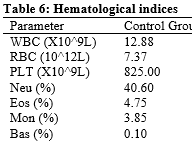
Agricultural waste, like plantain peels, represents a significant disposal challenge and lost nutritional resource. While Lactobacillus fermentation can enhance the bioactivity of such wastes, its systemic physiological effects are poorly understood. This study addresses the critical knowledge gap regarding the safety and bio-efficacy of fermented plantain peel by investigating its corollary impact on organ weight (a key toxicity indicator) and hematological indices (vital health biomarkers) in chicks. The fermenting organism was isolated and conclusively identified through cultural, biochemical, and molecular characterization, showing 100% genetic identity with Lactobacillus acidophilus strain DSM20079. A total of 24 broiler chicks were allocated into a control group and a test group fed the fermented peel supplement. The study indicated no statistically significant differences (p>0.05) in the weights of vital organs (liver, kidney, lungs, heart) between the groups, confirming the supplement's systemic biocompatibility and absence of toxicity. In contrast, highly significant (p<0.001) hematological alterations were observed. The test group exhibited a marked increase in total white blood cell count (18.55 vs. 12.88 x10⁹/L), red blood cell count (8.30 vs. 7.37 x10¹²/L), and platelet count (941.00 vs. 825.00 x10⁹/L). A profound lymphocytosis (88.10% vs. 50.70%) with concurrent neutropenia was also recorded. In conclusion, L. acidophilus-fermented plantain peel is a safe and bioactive feed ingredient that does not compromise organ integrity but significantly modulates hematological parameters, indicating strong immunostimulatory and erythropoietic potential. This work supports the valorization of agro-industrial waste into functional animal feed
Author Biographies
F. C. Ezeoke, Department of Animal Science, Faculty of Agriculture, Chukwuemeka Odumegwu Ojukwu University, Uli, Campus, Anambra State, Nigeria.
I. H. Iheukwumere, Department of Microbiology, Faculty of Natural Sciences, Chukwuemeka Odumegwu Ojukwu University, Uli, Campus, Anambra State, Nigeria.
C. M. Iheukwumere, Department of Applied Microbiology and Brewing, Faculty of Biosciences, Nnamdi Azikiwe University, Awka, Nigeria.
B. C. Unaeze, Department of Medical Microbiology and Parasitology, Faculty of Basic Clinical Sciences, Nnamdi Azikiwe University, Nnewi Campus, Nigeria.
J. N. Ezendianefo, Department of Microbiology, Tansian Universiy, Umunya, Anambra State, Nigeria.
O. Abba, Department of Microbiology, Federal University of Gusau, Zamfara State.
M. A. Idigo, Department of Biological Sciences, Faculty of Natural Sciences, Chukwuemeka Odumegwu Ojukwu University, Uli, Campus, Anambra State, Nigeria.
C. C. Aniekwu, Department of Applied Microbiology and Brewing, Faculty of Biosciences, Nnamdi Azikiwe University, Awka, Nigeria.
I. S. Anagor, Department of Medical Microbiology and Parasitology, Faculty of Basic Clinical Sciences, Nnamdi Azikiwe University, Nnewi Campus, Nigeria.
S. C. Ochibulu, Department of Microbiology, Faculty of Natural Sciences, Chukwuemeka Odumegwu Ojukwu University, Uli, Campus, Anambra State, Nigeria.
H. C. Nnadozie, Department of Microbiology, Faculty of Natural Sciences, Chukwuemeka Odumegwu Ojukwu University, Uli, Campus, Anambra State, Nigeria.
License
Copyright (c) 2026 IPS Journal of Plant, Animal, and Environmental Sciences

This work is licensed under a Creative Commons Attribution 4.0 International License.