Lactobacillus Fermented Banana Peel: A Potential Modulator of Lipoprotein Metabolism and Lymphocyte Counts in Rats
DOI:
https://doi.org/10.54117/ijnp.v2i1.48Keywords:
Banana peel, Lipoproteins, Fermented, Lactobacillus, LymphocytesAbstract
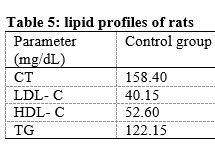
Elevated blood lipoproteins and compromised immune function are significant health concerns. Despite advances in management, many individuals seek alternative therapies. Lactobacillus fermented banana peel, rich in bioactive compounds, may modulate lipid profiles and immune response. However, its effects on blood lipoproteins and lymphocytes remain unclear, warranting investigation into its potential as a functional food or supplement to mitigate these health issues in rats. This study was undertaken to evaluate the corollary of lactobacillus fermented banana peel feed additive on blood Lipoproteins and blood lymphocytes of rats. The fermenter used for this study was isolated and characterized using standard microbiological techniques. The effects of the fermented feeds on the rats were determined using in vivo techniques. The fermenter used in the study was identified to be Lactobacillus acidophilus strain DSN20079 (LADSM). The study revealed that there was a significant (P<0.05) decrease in the lipid profiles, CT (131.70 mg/dL) LDC (24.60 mg/dL) HDC-C (69.50 mg/dL) and TG (89.80 mg/dL) compared to the control group: .CT (156.40 mg/dL) LDC (40.15 mg/dL) HDC-C (52.60 mg/dL) and TG (122.15 mg/dL) The blood lymphocyte count showed that the untreated control group of rats had a lymphocyte count of 152.16. Dexamethasone (200 mg/g) significantly reduced it to 113.82 (P<0.05), while levamisole (50 mg/g) increased it to 273.15 (P<0.05). Treatment with 100 mg/g of fermented banana peel raised the count to 279.92, but this change was non-significant (P>0.05) compared to the levamisole group. Therefore, the study concluded that the Lactobacillus fermented banana peel feed additive reduced the lipoprotein levels and increase blood lymphocytes of Albino Wistar rats.
Downloads
Published
How to Cite
Issue
Section
License
Copyright (c) 2026 F. C. Ezeoke, I. H. Iheukwumere, C. M. Iheukwumere, V. E. Ike, J. N. Ezendianefo, O. Abba, M. A. Idigo, C. C. Aniekwu

This work is licensed under a Creative Commons Attribution-NonCommercial 4.0 International License.