Entomopathogenic Bacteria-Mediated Management of Delia radicum: A Step towards Eco-friendly Pest Control
DOI:
https://doi.org/10.54117/jafts.v2i2.110Keywords:
Delia radicum, Paenibacillus, Insecticidal, PestAbstract
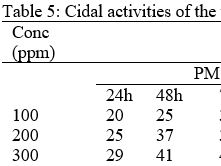
The cabbage root fly, Delia radicum, is a significant pest of brassica crops worldwide, causing extensive damage to plant roots and leading to substantial yield losses. Current reliance on chemical pesticides is challenged by environmental concerns, resistance development, and regulatory restrictions, highlighting the need for sustainable and effective biological control alternatives. This study aimed to isolate and identify entomopathogenic bacteria with pathogenic activity against D. radicum larvae. A total of 100 garden soil samples were collected and screened for bacteria that can secrete toxic protein using T3 medium and mineral medium (NYSM). The insecticidal activities were evaluated by exposing insects to different concentrations of the proteins. The study revealed the presence of Paenibacillus mucilergnous strain KN-18 (PM18), Paenibacillus species strain S-38 (PS38), and Paenibacillus konkukensis strain SK 3146 (PK3146) as the entomopathogenic bacteria. The insecticidal activity of the toxic proteins secreted by the isolates against Delia radicum revealed a significant increase in mortality rates after 72 h of exposure (P<0.05). The lethal concentration slope (LCSO) calculation showed that PK3146 exhibited the highest activity, followed by PS38 and then PM18. The mortality rates increased with exposure time and protein concentration, with significant differences observed between treatments (P<0.05). The study demonstrated the potential of entomopathogenic bacteria as a biological control alternative for managing D. radicum, suggesting their potential use in integrated pest management strategies.