
Human Echovirus Infection: Virology, Pathogenesis, Clinical Manifestations, and Management
DOI:
10.54117/ijamb.v4i4.91Published:
2025-10-10Issue:
Vol. 4 No. 4 (2025): Oct-DecKeywords:
Echovirus, Enterovirus, Picornaviridae, Aseptic Meningitis, Neonatal Sepsis, Viral Pathogenesis, RT-PCR, Pleconaril, Outbreak ManagementArticles
Downloads
How to Cite
Downloads
Abstract
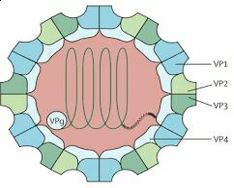
Human echoviruses (Enteric Cytopathic Human Orphan viruses), members of the Enterovirus B species within the Picornaviridae family, are significant human pathogens with a global distribution. Initially isolated in the 1950s as "orphan" viruses not linked to disease, they are now recognized as a leading cause of a wide spectrum of illnesses, particularly in neonates, children, and immunocompromised individuals. Echoviruses are non-enveloped, positive-sense single-stranded RNA viruses characterized by a simple yet efficient structure that facilitates robust replication in host cells. Transmission occurs primarily via the fecal-oral route, with additional pathways including respiratory droplets and vertical transmission. The pathogenesis involves initial replication in the oropharyngeal and intestinal mucosa, followed by viremic dissemination to secondary target organs such as the central nervous system (CNS), heart, and liver. Clinical manifestations range from mild febrile illness and rashes to severe, life-threatening conditions including aseptic meningitis, neonatal sepsis-like syndrome, encephalitis, and myocarditis. Diagnosis relies on clinical suspicion confirmed by molecular methods like RT-PCR, while treatment remains largely supportive due to the absence of specific antiviral therapies. Prevention emphasizes stringent hygiene practices and infection control, especially in high-risk settings. This review provides a detailed synthesis of the history, virology, transmission dynamics, molecular pathogenesis, clinical disease spectrum, diagnostic approaches, and current management strategies for human echovirus infections.
Author Biographies
I. H. Iheukwumere, Department of Microbiology, Faculty of Natural Sciences, Chukwuemeka Odumegwu Ojukwu University, Anambra State, Nigeria.
C. M. Iheukwumere, Department of Applied Microbiology & Brewing, Faculty of Biosciences, Nnamdi Azikiwe University Awka, Nigeria.
B. C. Unaeze, Department of Medical Sciences, Nnamdi Azikiwe University, Awka, Anambra State, Nigeria.
V. E. Ike, Department of Microbiology, University of Agriculture and Environmental Sciences, Umuagwo, Imo State, Nigeria.
H. C. Nnadozie, Department of Microbiology, Faculty of Natural Sciences, Chukwuemeka Odumegwu Ojukwu University, Anambra State, Nigeria.
S. O. Onyema, Department of Microbiology, Faculty of Natural Sciences, Chukwuemeka Odumegwu Ojukwu University, Anambra State, Nigeria.
License
Copyright (c) 2025 I. H. Iheukwumere, C. M. Iheukwumere, B. C. Unaeze, V. E. Ike, H. C. Nnadozie, S. O. Onyema

This work is licensed under a Creative Commons Attribution 4.0 International License.
CC BY 4.0