Hantaviruses, Transmission Dynamics, Clinical Outcomes, and Preventive Approaches: A Review
DOI:
10.54117/ijbcm.v2i4.21Published:
2023-10-07Issue:
Vol. 2 No. 4 (2025): Oct-DecKeywords:
Hantavirus, zoonotic diseases, pathogenesis, preventionArticles
Downloads
How to Cite
Abstract
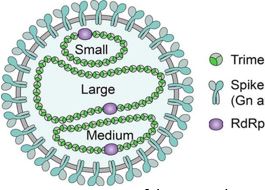
Hantaviruses are emerging zoonotic pathogens with a significant global impact, causing severe diseases such as Hemorrhagic Fever with Renal Syndrome (HFRS) and Hantavirus Cardiopulmonary Syndrome (HCPS). These viruses are primarily transmitted to humans through contact with aerosolized excreta from infected rodent reservoirs. The global distribution of Hantaviruses is influenced by environmental factors like climate change, which affect rodent population densities. Pathogenesis is characterized by increased vascular permeability and acute thrombocytopenia, leading to high mortality rates. The virus possesses a tripartite, negative-sense RNA genome, encoding a nucleocapsid protein, glycoproteins, and an RNA-dependent RNA polymerase, which are crucial for replication and host cell entry. Diagnosis of acute infection is primarily achieved through serological tests detecting IgM and IgG antibodies, with molecular methods like RT-PCR providing confirmation by identifying viral RNA. Currently, no specific antiviral treatment exists; management is supportive, focusing on intensive care for respiratory or renal failure. Preventive strategies are paramount and emphasize public education on rodent control, safe cleaning practices in infested areas, and the use of disinfectants. Research into vaccines, including DNA-based platforms, offers promise for future prevention. Given their high fatality rate and potential for person-to-person transmission, Hantaviruses represent a critical and ongoing public health challenge that requires continued surveillance, improved diagnostics, and effective therapeutic interventions.
Author Biographies
I. H. Iheukwumere, Department of Microbiology, Faculty of Natural Sciences, Chukwuemeka Odumegwu Ojukwu University, Anambra State, Nigeria.
C. M. Iheukwumere, Department of Applied Microbiology & Brewing, Faculty of Biosciences, Nnamdi Azikiwe University Awka, Nigeria.
B. C. Unaeze, Department of Medical Sciences, Nnamdi Azikiwe University, Awka, Anambra State, Nigeria.
V. E Ike, Department of Microbiology, University of Agriculture and Environmental Sciences, Umuagwo, Imo State, Nigeria.
H. C. Nnadozie, Department of Microbiology, Faculty of Natural Sciences, Chukwuemeka Odumegwu Ojukwu University, Anambra State, Nigeria.
S. O. Onyema, Department of Microbiology, Faculty of Natural Sciences, Chukwuemeka Odumegwu Ojukwu University, Anambra State, Nigeria.
License
Copyright (c) 2025 I. H. Iheukwumere, C. M. Iheukwumere, B. C. Unaeze, V. E Ike, H. C. Nnadozie, S. O. Onyema

This work is licensed under a Creative Commons Attribution 4.0 International License.