Upshot of Urine on Beneficial Soil Bacteria
DOI:
https://doi.org/10.54117/jpmesc.v4i2.18Keywords:
Urine contamination, Soil fertility, Nutrient-cycling bacteria, Sustainable agriculture, NigeriaAbstract
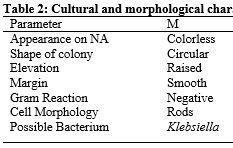
Nigeria's soil quality is compromised by human activities, disrupting nutrient cycles and affecting soil health. While pollutants harm soil fertility, certain sustainable practices can enhance soil quality by promoting beneficial bacteria and nutrient retention, highlighting the need for balanced human interaction with the soil ecosystem.. This study investigates the impact of urine contamination on soil quality, specifically focusing on nutrient-cycling bacteria. Thirty composite soil samples were collected from urinating sites in Uli community using a sterile soil auger. The samples were analyzed for Nitrogen-Fixing Bacteria (NFB) and Phosphate-Solubilizing Bacterial Count (PSBC) using standard plate techniques.The total heterotrophic bacterial count (THBC) and nitrifying bacterial count (NBC) were enumerated, with results showing significant (p ≤ 0.05) increase as compared to non-impacted soil. Bacterial isolates were characterized based on morphology, microscopy, and biochemical characteristics. The study identified Gram-negative rods, including Pseudomonas and Klebsiella species, as well as Gram-positive Micrococcus species. Notably, there was an increase in NFB and PSBC in impacted soil samples.The findings suggest that urine contamination in soil enhances microbial activities, leading to increased soil fertility. This study highlights the potential benefits of urine as a natural fertilizer, promoting nutrient-cycling bacteria and improving soil quality. The results have implications for sustainable agriculture and waste management practices.
Downloads
Published
Issue
Section
License
Copyright (c) 2025 A. O. Ekesiobi, C. M. Iheukwumere, I. H. Iheukwumere, C. E. Ejike, C. C. Ilechukwu, V. E. Ike, F. O. Okereke, S. C. Ochibulu, C. F. Agbaugo

This work is licensed under a Creative Commons Attribution 4.0 International License.