The Persistence of Vibrio cholerae in Water Sources: A Study of Physical Properties and Contamination Patterns in Major Streams at Uli Community
DOI:
https://doi.org/10.54117/9ycz2090Keywords:
Shigella dysenteriae, molecular characterization, antibiotic resistance, diarrheal diseases, epidemiologyAbstract
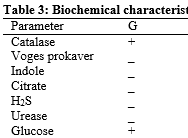
Shigella species are a significant cause of diarrheal diseases worldwide, particularly in developing countries. The rise of antibiotic-resistant strains has necessitated the search for alternative antibacterial agents and understanding of the epidemiology of Shigella infections. This study aimed to isolate and characterize Shigella species from stool samples and determine their molecular identities. Stool samples were collected and cultured on Deoxychocolate citrate agar (DCA) for isolation of Shigella species. The isolates were characterized using cultural, morphological, and biochemical tests. Molecular identification was performed using 16S rRNA gene sequencing. The study revealed that 42% of the samples were positive for Shigella species, with sample O showing the highest occurrence (70%). The isolates exhibited characteristic cultural, morphological, and biochemical features, and were identified as Shigella dysenteriae strains SD53, SD07, and SDBU. SD53 was the most prevalent strain (55.36%). The study provides insights into the epidemiology of Shigella infections and highlights the importance of molecular characterization of isolates for understanding the spread of antibiotic-resistant strains. This study generates data on the occurrence and molecular characteristics of Shigella species in stool samples, which can inform public health strategies and antibiotic stewardship.
Downloads
Published
Issue
Section
License
Copyright (c) 2026 I. H. Iheukwumere, C. M. Iheukwumere, V. E. Ike, B. C. Unaeze, A. G. Ofuani, P. A. Nnagbo, C. A. Mere

This work is licensed under a Creative Commons Attribution 4.0 International License.