Effect of Extraction Time on the Total Phenolic Content, In Vitro Antioxidant and Antidiabetic Properties of Commercial Herbal Teas
DOI:
https://doi.org/10.54117/ijnfs.v4i2.106Keywords:
Extraction time, herbal teas, phenolic content, antioxidant activityAbstract
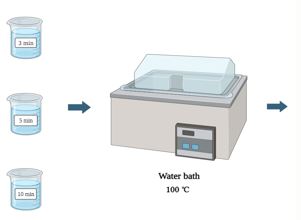
The health benefits of herbal teas are associated with their polyphenol compounds. Total phenolic content (TPC), total antioxidant capacity (TAC) and potential antidiabetic properties were measured in seven herbal teas at 3, 5 and 10 min at 100 °C by Folin–Ciocalteu’s method, ABTS radical scavenging and alpha-amylase activity inhibition, respectively. This study also evaluated the influence of brewing time and tea form (loose-leaf vs. bagged) on these attributes. The findings indicated distinct variations of TPC among the herbal teas, arranged in the order of Tulsi > Liquorice > loose-leaf Camomile > bagged Camomile > Nettle > Fennel > and Ginger tea. In particular, the phenolic compounds had a positive linear correlation with TAC. Both extraction time and the form of tea had significant effects on TPC, TAC and antidiabetic property.
Downloads
Published
Issue
Section
License
Copyright (c) 2025 Idolo Ifie, Deyue Xiong

This work is licensed under a Creative Commons Attribution 4.0 International License.