Unlocking the Potential of Termite Gut Microbiome: Enhancing Nutritional Value through Bacterial Symbionts
DOI:
https://doi.org/10.54117/ae6gj081Keywords:
Macrotermes species, Symbionts, Nutritional, Probiotics, Lactiplantibacillus, BifidobacteriumAbstract
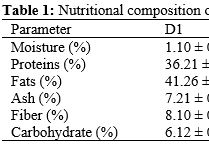
The nutritional limitations of conventional feed ingredients have sparked interest in exploring alternative sources of nutrition. Macrotermes species, commonly known as termites, thrive on a recalcitrant lignocellulosic diet due to their symbiotic relationships with a diverse gut microbiota. These bacterial symbionts play a crucial role in nitrogen fixation, vitamin synthesis, and the production of hydrolytic enzymes. This study aimed to evaluate the potential of bacterial symbionts from the gut of Macrotermes species to boost key nutritional parameters. The nutritional parameters were determined using instrumentation and gravimetric techniques. The symbiont bacteria were characterized using standard microbiological techniques, and this revealed the presence of Lactiplantibacillus plantarum strain ZG308 (LPZ3), Limosilactobacillus fermentum strain 2760 (LF2), Bifidobacteriu dentum strain MB0148 (BDM1), and Bifidobacterium bifidum strain CNCM1-4319 (BBC4) as the bacterial symbionts. The results revealed that the treatment group D3 recorded the highest nutrient composition, followed by D4, D1, and D2. Statistical analysis revealed a significant difference in the nutrient composition among the treatment groups (p < 0.05). The study concluded that bacterial symbionts of Macrotermes species enhance growth performance and improve carcass nutritional quality. The distribution of the isolates in the studied insects revealed that LPZ3 was the most prevalent, followed by BBC4, LF2, and BDM1. These findings highlight the potential of bacterial symbionts from Macrotermes species as a frontier in nutritional biotechnology.
Downloads
Published
Issue
Section
License
Copyright (c) 2025 M. A. Idigo, I. H. Iheukwumere, C. M. Iheukwumere, B. C. Nnaeze, C. J. Akulue, N. E. Nwakoby, J. N. Ezendianefor, V. E. Ike, A. O. Nnaedozie, S. N. Ezekwueche, I. S. Anagor, C. C. Aniekwe, F. C. Ezeoke, F. O. Okereke, S. C. Ochibulu

This work is licensed under a Creative Commons Attribution 4.0 International License.