Influence of Storage Conditions and Processing Treatments on the Quality and Safety of African Star Apple (Chrysophyllum albidum) Juice: A Four-Week Comparative Study
DOI:
https://doi.org/10.54117/gfncmk47Keywords:
Chrysophyllum albidum, processing treatments, storage conditions, juice quality, safetyAbstract
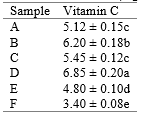
African star apple (Chrysophyllum albidum) is a major component of alley farming system in the rainforest agro-ecological zone in Nigeria. It boasts a rich blend of nutrients and bioactive constituents that make it attractive as an economic crop. In this study, the effect of storage conditions and processing treatments on the quality and safety of its extracted juice were examined. Ginger extract was added to African star apple juice; the product was stored at both ambient and refrigerated conditions after pasteurization, for a period of four (4) weeks. The pH, total titratable acidity, total suspended solids and vitamin C content were carried out on the samples. The juice samples were also examined for microbial contamination during the period of storage. The results show that the acidity increased with longer storage duration. The total suspended solids (TSS) ranged from 150.40 mg/L to 220.00 mg/L after four weeks. The storage conditions and treatments exerted variable TSS values in the juices. Spicing the African star apple juice with ginger combined with pasteurization and refrigeration raised the vitamin C content from 3.40 mg/100 mL to 6.85 mg/100 mL. This hurdle effect (spicing combined with pasteurization and refrigeration) significantly reduced the microbial load of the juice. In conclusion, it is evident that the treatments combined with cold storage enhanced nutritional quality and safety of the African star apple juice.
Downloads
Published
Issue
Section
License
Copyright (c) 2026 Adesola B. Adeniyi, Kennedy O. Umuze, Harrison E. Eriakha, Victor N. Enujiugha

This work is licensed under a Creative Commons Attribution 4.0 International License.