Pineapple Peel Fermentation: A Study on its Effects on Broiler Chick Growth Performance and Blood Indices
DOI:
https://doi.org/10.54117/jafts.v3i1.135Keywords:
Fermented pineapple peel, Lactobacillus acidophilus, Broiler chickens, Feed additive, Growth performanceAbstract
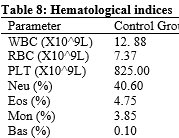
The poultry sector struggles to find sustainable and nutritious feed additives that meet the growing demand for poultry products, affecting broiler chick growth and overall health. impacting broiler chick growth and health. Pineapple peel, an agricultural waste, is underutilized despite its nutritional potential. The effects of fermented pineapple peel on broiler chick growth performance and blood indices remain unclear, creating a production constraint. This study was undertaken to assess the impact of fermented pineapple peel on the growth performance and blood indices of broiler chicks. Fermenter used in this study was obtained following the standard microbiological techniques. Pineapple peel was collected, processed and fermented using solid state fermentation method, and this was incorporated as feed additive and assessed for the growth performance and impact on blood indices using in vivo technique. The fermenter, identified as Lactobacillus acidophilus strain DSM20079 (LADSM), was characterized culturally, morphologically, and biochemically. The study showed significant increases (p<0.05) in body weights of test chicks from week 1 (189 g) to week 6 (2126 g) compared to controls (1442 g). Organ weights were similar between groups (p>0.05). Feed conversion ratio (FCR) improved in test group from week 3-6 (p<0.05). Hematological indices revealed increased WBC (16.65 vs 12.88 x10^9L), RBC (8.30 vs 7.37 x10^12L), and lymphocytes (77.80% vs 50.70%) in test group (p<0.05), suggesting enhanced immune response. The study concludes that fermented pineapple peel exhibits growth-promoting and immunomodulatory effects, making it a potential feed additive for broiler chickens.