Artificial Intelligence in Food Processing: The Nigerian Experience
DOI:
https://doi.org/10.54117/jafts.v2i1.90Abstract
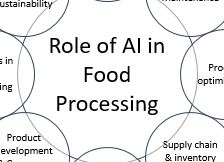
Artificial Intelligence (AI) is fundamentally reshaping the food processing industry by optimising operations across the entire value chain, from raw material sourcing to final distribution. This transformative impact is evident in areas such as production efficiency, stringent quality control, streamlined packaging, and enhanced distribution networks. For the Nigerian food processing sector to fully leverage these substantial benefits, a collaborative effort among all stakeholders is imperative to accelerate AI integration. While some pioneering Nigerian food processors have initiated AI adoption, the sector has barely begun to tap into AI's vast potential. The applications of AI in food processing are extensive, offering numerous advantages to the industry. However, significant obstacles impede the widespread adoption of AI in Nigeria. These challenges include a scarcity of skilled technical expertise in AI and data science, inadequate access to essential infrastructure like reliable internet connectivity and robust data storage solutions, concerns regarding data privacy and security, and the considerable initial investment costs associated with AI technologies. Despite these hurdles, the Nigerian food processing industry stands to gain immensely from AI. Government initiatives, strategic academic-industrial partnerships, and improved access to funding are crucial for cultivating an environment conducive to AI adoption. Through strategic investment in AI, Nigeria's food processing sector can significantly enhance its domestic competitiveness and solidify its position as a key participant in the global food market. This review therefore explores the diverse applications of AI in food processing, alongside the advantages, opportunities, and challenges specific to the Nigerian food processing sector.