Influence of Aqueous Blends of Tea (Camellia sinensis) and Ginger (Zingiber officinale) on Amino Acid Profile, Histopathology and Haematological Indices in Wistar Albino Rats
DOI:
https://doi.org/10.54117/ekkmvp12Keywords:
Tea-ginger blend, amino acid profile, animal assay, histopathology, haematologyAbstract
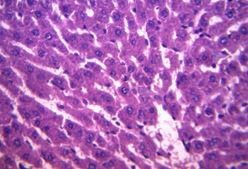
Tea (Camellia sinensis) leaves and ginger (Zingiber officinale) rhizomes are very rich in polyphenolic compounds, majorly catechins, which are very useful in the management of several disease conditions. In this study tea leaves were blended with ginger rhizomes at different ratios (2:1, 1:2, 1:1), while 100% tea or ginger served as control. The dry sample powders were extracted with distilled water and administered to a group of 30 male albino rats of the Wistar strain alongside standard rat chow ad libitum. The aqueous extracts were fed to the animals via oral gavage for 18 days, at the end of which they were starved for 3 h, anaesthetized with chloroform and sacrificed. Blood samples were collected for haematological analyses and liver and heart were excised for histopathological examinations. Amino acid analysis was also carried out on the powdered samples of tea, ginger and their blended ratios. The results show that methionine was the most abundant essential amino acid (7.18 – 8.06 g/100 g protein) in all the composited samples, except in 100% ginger powder which had tryptophan as the most abundant (6.68 g/100 g protein). Histidine was the most limiting essential amino acid in all the samples, while arginine was the most abundant conditionally essential amino acid in green tea sample (8.22 g/100g protein). The results of haematological and histopathological examinations showed improvements in organs and overall well-being of the rats owing to the synergistic action of combined tea and ginger extracts. Findings in this study highlight the potentials of consuming tea-ginger blends for needed improvements in the nutrition and health status of consumers.
Downloads
Published
Issue
Section
License
Copyright (c) 2025 Isaac S. Onyeakagbu, Stella O. Jegede, Solomon A. Makanjuola, Victor N. Enujiugha

This work is licensed under a Creative Commons Attribution 4.0 International License.