Assessment of Nutritional Compositions, Functional Properties, Cyanogenic Potential and Carotenoids Retention in Dark Processed Pro-Vitamin A-Enriched Cassava/Wheat Composite Flour
DOI:
https://doi.org/10.54117/e4tavd76Keywords:
Cassava, Vitamin A-Deficiency, Composite Flour, Local Productivity, Food formulationsAbstract
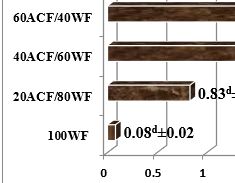
Recent studies unraveled the roles of vitamin A-deficiency in the integrity of pancreatic β-cells and diabetes pathogenesis. Cassava is a cheap and largely cultivated staple crop in Nigeria. The flour can be incorporated into wide varieties of food products and could serve as a medium for micronutrient deficiency intervention. This study investigated the nutritional qualities, Hydrogen cyanide content, and carotenoid retention in pro-vitamin A-enriched cassava and wheat composite flour. The yellow cassava tubers (IBA154810) was obtained from the International Institute of Tropical Agriculture (IITA) Ibadan Oyo State Nigeria and processed into flour. Each flour blends were produced by mixing pro-vitamin A-enriched cassava flour (ACF) with wheat flour (WF) in ratio: 100%WF(control), 20% ACF:80%WF, 40%ACF:60%WF, 60% ACF:40%WF, 80%ACF:20%WF, 100% ACF. The water absorption capacity, oil absorption capacity, bulk density, foaming capacity and foaming stability of the samples ranged from (136.40 − 161.66)%, (125.40 − 153.66)g/ml, (0.75−0.81)%, (15.67−38.26)%, (3.98−19.57)% and (67.57−85.68)oC respectively. Total β-carotenoids, Retinol Activity Equivalent, ascorbic acid and fibre ranged from (75.6–1256µg/100g), (20.43 − 432.27 µg/100g), (9.33−48.47µg/100g), and (1.61−2.26g/100g) respectively. Total β-carotenoids, ascorbic acid, fibre, K, Ca, and Mg content of composite samples increases with cassava flour substitution. Ca is the most abundant mineral followed by K. The low cyanide content (0.08−2.23mg/kg) could guarantee sustainable production plan by minimizing energy and time utilised for detoxification process and prevent environmental contamination. The data revealed that ACF/WF composite samples had higher nutritional qualities compared to 100%WF (control) and could help combat the problem of vitamin A-deficiency and its associated diseases in Nigeria and other developing cassava-consuming countries.
Downloads
Published
Issue
Section
License
Copyright (c) 2026 Josephine Odunayo Ilade, Adekunle Isiaka Amoo, Ganiyu Oboh, Stephen Adeniyi Adefegha

This work is licensed under a Creative Commons Attribution 4.0 International License.