Extrusion Temperature Influence on the Chemical and Functional Properties of Plantain, Jack-Bean and Maize Based Flakes
DOI:
https://doi.org/10.54117/6bkytp39Keywords:
Jackbean, Plantain, Maize, Extrusion, nutritional compositionAbstract
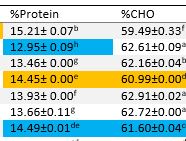
The study evaluated the effect of extrusion temperature on the chemical and functional properties of the flour blends extruded into flakes to determine their impact on its nutritional quality. The raw plantain was peeled, sliced, air oven-dried at 60oC until constant weight was achieved, milled and sieved to obtain plantain flour, while maize was also processed to obtain maize flour. Similarly, jack-bean was washed, soaked for 4 hours, germinated for 3 days, oven dried at 60oC until constant weight, and milled to obtain jack-bean flour. The flour samples were mixed at different proportions to obtain different flour blends of low glycemic profile using design mixture of Response Surface Methodology (RSM) software applications. The glycemic profile of the generated runs from the RSM was evaluated. The selected flour blend on the basis of low glycemic profile and high resistant starch - Sample A (60% maize flour, 15.5% plantain and 24.5% jack bean flour) and Sample B (75% maize flour, 10% plantain flour and 15% jack bean flour) were extruded at various temperatures (100, 120 and 140oC). Within the experimental temperature range, higher extrusion temperatures typically resulted in lower levels of moisture and carbohydrates as well as increased levels of protein, ash and crude fiber. This shows that the chemical properties of the flakes are generally impacted by extrusion temperatures. The range of the bulk density was 0.801 g/ml (A140) to 0.625g/ml (B100). Increased bulk densities were generally the result of higher extrusion temperatures indicative of more compaction and reduced porosity in the extrudates. It is recommended that the intended use of the finished product be taken into consideration and extrusion temperature be carefully optimized to produce composite flakes of high nutritional quality. In selecting the processing conditions, moderate extrusion temperatures (120oC) are needed to balance the chemical and functional properties of the samples.
Downloads
Published
Issue
Section
License
Copyright (c) 2026 John A. V. Olumurewa, Oluwole Steve Ijarotimi, Olalekan Adun Ilara

This work is licensed under a Creative Commons Attribution 4.0 International License.