Corollary of Lactobacillus Fermented Plantain Peel on Growth Performance of Rats
DOI:
https://doi.org/10.54117/y5stem93Keywords:
Lactobacillus, Plantain peel, Fermented, Body-Mass-Index, ProbioticAbstract
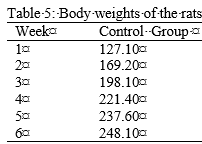
Plantain peel, a significant agro-waste, represents an untapped resource for animal nutrition, necessitating exploration of its bioconversion into a valuable feed additive. This study investigated the corollary of supplementing rat feed with plantain peel fermented by a novel isolate on growth performance and physiological safety. The fermenting organism was isolated and rigorously characterized as Lactobacillus acidophilus (strain DSM20079, Accession CP020620.1) through cultural, biochemical, and molecular (100% identity) analyses. Over a six-week trial, rats fed the fermented supplement exhibited a markedly superior growth trajectory. The final body weight of the test group (324.60 ± 1.51 g) was significantly higher than that of the control group (248.00 ± 1.47 g) (p < 0.05). Body Mass Index (BMI) was also higher in the test group (0.66 g/cm²) but remained below the threshold for obesity (0.68 g/cm²). Critically, organ weights (liver, kidney, lungs, heart) and key serum biomarkers for liver (ALT, AST) and kidney (creatinine, urea) function showed no significant differences (p > 0.05), confirming the supplement's non-toxic nature. However, assessment of oxidative stress via malondialdehyde (MDA) levels indicated a statistically significant overall increase in the test group (p = 0.03), suggesting an elevated oxidative state. In conclusion, Lactobacillus acidophilus-fermented plantain peel is a safe and effective probiotic supplement that significantly enhances growth performance in rats without inducing organ toxicity or obesity, though its pro-oxidant effect requires further study to optimize its application as a sustainable nutraceutical.
Downloads
Published
Issue
Section
License
Copyright (c) 2026 A. O. Obianom, I. H. Iheukwumere, C. M. Iheukwumere, V. E. Ike, J. N. Ezendianefo, D. J. Okongwu, O. Abba, C. A. Mere, P. A. Nnagbo

This work is licensed under a Creative Commons Attribution 4.0 International License.